The £25 Secret Under Your Best Rug: A Room-by-Room Underlay Check
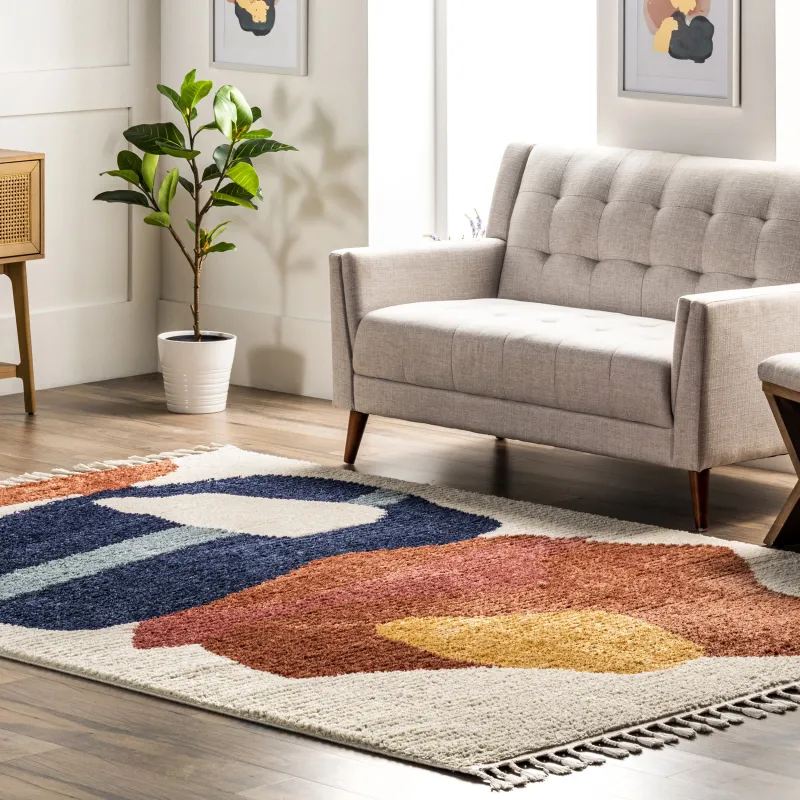
Photo: rug pad underlay beneath living room rug close up UK home interior, via i5.walmartimages.com
You unroll a rug you spent good money on, stand on it in socks, and wait for that expensive feeling. Instead you get a slight skid, a hollow crunch near the sofa and the nagging suspicion you have bought a fancy doormat. Before you blame the rug, look underneath. In a lot of UK homes, the thing letting a lovely rug down is the pad or underlay it is sitting on. Or, more often, the fact that there is no proper pad at all.
Why a good rug can feel cheap
A rug is only part of the comfort equation. On bare floorboards, tiles or a hard concrete screed, even a decent wool rug has very little to push back against. It flattens faster under feet, slides when someone turns quickly and feels colder than it should. On carpet, the problem flips: a thick pad under a rug can create a wobbly, lumpy surface, while a thin rug with no grip can ripple at the edges.
The fix is rarely a new rug. It is usually a better base. A simple gripper or felt pad can make a mid-range rug feel more substantial, protect the floor beneath and stop the daily shuffle that sends rugs under sofas and into doorways.
What a rug pad actually does
Think of a pad as the rug's shoes. It gives grip, a bit of cushioning and a layer of protection. A good one should keep the rug flat without adding a trip hazard, soften the feel underfoot without making the rug unstable, and let the floor breathe where needed.
There are two main jobs to separate. Anti-slip grippers are thin, often mesh-like, and are designed mainly to stop movement. Felt or felt-and-rubber pads add cushioning and sound absorption. Some pads combine both. The right choice depends on your floor, your doorway clearance and how the room is used.
The simple thickness guide
A quick rule for UK homes: less is more in doorways, more is better in lounges. If a rug sits near a door that opens inward, measure the gap under the door before buying anything thick. A low-profile gripper of around 2mm to 3mm is usually safer there. For a living room rug on floorboards, a felt pad of roughly 6mm to 10mm can add warmth and softness without turning the rug into a trampoline. Under heavy furniture, avoid anything too squishy or the rug may bridge and crease. For dining rooms, keep it firm and flat so chairs do not wobble.
Room-by-room audit
Living room
This is where pads earn their keep. Sit on the floor and press the rug near the sofa. If it lifts easily or you can feel every board, the pad is too thin or missing. If the rug ripples when you walk across it, the pad may be too soft or badly sized. Trim a pad so it sits about 2cm inside the rug edge, not right up to it, so the rug lies flat and does not curl.
Bedroom
Bare feet notice everything. A felt pad under a bedside rug makes a cold floor feel kinder in winter, but keep it low enough that the bedroom door still clears it. If the rug sits partly under the bed, check that the pad does not create a step where you walk around the frame.
Dining room
Chairs scrape, legs press and spills happen. A firm, low-profile gripper is usually better than a deep, spongy pad. You want the rug to stay put, not bounce. If the table is heavy, make sure the pad does not let the rug bunch under the legs.
Hallway
Hall runners take a beating. A gripper is essential on tiles and laminate, but avoid a thick pad that catches the front door. Look for a low-profile option that grips without adding height. If the runner creeps after a week, the pad is the first thing to check.
Rental living
In a rented flat, you may not want to stick anything to the floor. A quality anti-slip gripper is the safer bet. Avoid adhesives on delicate flooring and check the pad does not trap damp against cold floors. If in doubt, choose a breathable felt-and-gripper combination and lift it now and then to let the floor air.
Warning signs your current pad is doing harm
A pad should be boring. If it is making itself known, something is off. Watch for rugs that curl at the corners, pads that have gone crumbly or sticky, dark marks on the floor beneath, or a rubbery smell in warm weather. A pad that is too small can let the rug sag over the edges. One that is too thick can make doors catch and furniture wobble. If the rug slides more with the pad than without it, the pad is the wrong type for the floor.
The £25 fix
You do not need to spend a fortune. For a typical 160x230cm rug, a decent anti-slip gripper or thin felt pad often sits around the £20 to £30 mark. That is the £25 fix: not a magic number, but a realistic budget for the layer that changes how a rug feels and behaves. Spend it before you spend hundreds replacing a rug that is probably fine.
When shopping, take the rug's exact measurements, know your floor type and check the doorway clearance. If you have underfloor heating, look for pads described as suitable for warm floors. If you have pets or children, prioritise grip and easy cleaning over deep cushioning.
The bottom line
A rug pad is not the glamorous part of decorating, but it is the difference between a rug that feels like a considered buy and one that feels like a mistake. Check what is underneath before you judge what is on top. In most UK rooms, a sensible pad is the cheapest upgrade you will make this year.