Wheels, Walkers and Wool: Rugs That Work for Every Body at Home

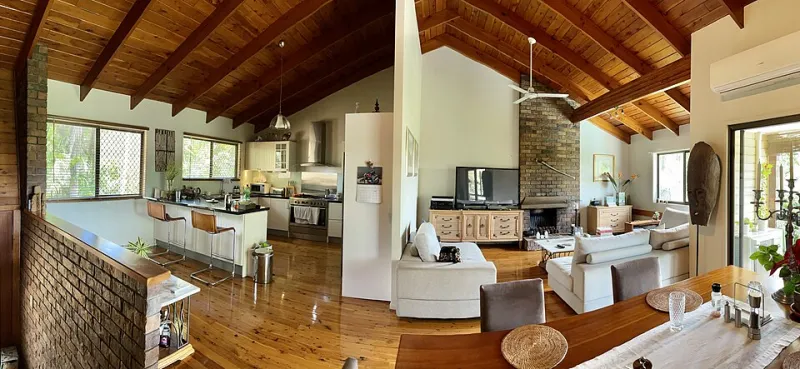
Photo: low pile wool rug in accessible living room with wheelchair and wooden floor, natural light, via www.bucknell.edu
Ask anyone who uses a wheelchair, a rollator or a walking stick what spoils a room, and the answer is rarely the colour of the walls. It is the rug that rucks up under the front castors. The deep shag pile that swallows a slipper. The fringed edge that catches a stick tip and sends someone sideways. Warmth and safety should never be a trade-off, so here is how to get both without turning your lounge into a waiting room.
Start With What Is Actually Underneath Your Feet
Pile height is the single biggest factor, and it is the one most shoppers ignore in favour of colour. For a home with wheels in it, aim for a pile of 10mm or less. Flatweave, low-pile wool and tightly tufted synthetics all sit comfortably in that zone. Anything from about 20mm upwards, and certainly the big 40mm shaggies, creates drag for a wheelchair and real instability for anyone using a frame or a stick. Small front castors are the toughest test of all, so if a chair is in daily use, take a tape measure to the shop and press a thumb into the sample rather than trusting the photograph.
Weight matters too. A rug that is light for its size will creep across a floor, especially on laminate and engineered oak. As a rough rule, look for something around 2kg per square metre or more for a room that sees a lot of traffic.
The Underlay Does More Work Than the Rug
Most slipping happens between rug and floor, not between rug and foot. A proper non-slip underlay, either rubber crumb, felt-and-rubber or a woven grip mesh, solves most of it. Skip the cheap foam toppers, which compress under a wheelchair and then slide.
A word of caution for anyone with luxury vinyl tile or a freshly oiled wooden floor: rubber can react with some finishes and trap moisture. A breathable felt gripper is usually the safer choice, and it is kinder to the floor underneath. Adhesive tapes and sprays are best avoided altogether, particularly in rented flats where a deposit is at stake.
Edges, Fringes and the Trip-Hazard Question
Fringes look lovely in a photograph and behave badly in real life. They catch on walker feet, wrap around castors and fray within a season. Look for a bound or tapered edge that sits flush to the floor with no raised lip. Serged edges are fine; deep piped borders and thick hand-knotted ends are not. If you love a traditional look, consider a flatweave Kilim style, which gives you pattern and heritage without a centimetre of tassel.
Doorways Are Where Plans Fall Apart
A rug that is perfect in the middle of a room can still be a hazard at the threshold. Measure the step-up between rug and floor, and keep it under about 10mm. Anything more needs a transition strip or a shallow threshold ramp, both of which cost very little from a DIY shop and take minutes to fit.
Also check door swing clearance. A 12mm rug is enough to stop a bathroom door closing properly, and a jammed door is the sort of small annoyance that becomes a daily frustration.
Bare Feet, Cold Toes and Sensory Comfort
Wool remains the gold standard for bare-foot warmth. It regulates temperature, holds heat without feeling clammy, and is naturally resilient. It also works beautifully over underfloor heating, provided you check the manufacturer's maximum temperature, usually around 27°C at the surface.
Cotton flatweaves feel cooler underfoot, which is welcome in a south-facing bedroom in July but less so in a chilly hallway in February. Avoid scratchy sisal and coir in rooms where children crawl or where sensitive skin meets the floor. If sensory needs are part of the picture, favour smooth, dense textures over looped piles that catch toes, and steer clear of metallic yarns and heavy glitter finishes that can feel unpleasant and shed everywhere.
Room by Room, Briefly
In the hallway, a low-profile washable runner with a gripper beats a beautiful wool rug every time, mainly because British weather is relentless. In the living room, go low-pile wool in a generous size so the front legs of the sofa sit on it. In the bedroom, comfort wins and a slightly deeper pile is fine if wheels are not in play. Bathrooms and kitchens need rubber-backed, machine-washable mats rather than anything precious. And in a wet room, honestly, leave the floor bare and add warmth through towels and textiles instead.
Three Small Habits That Help
Vacuum with a suction head rather than a beater bar, which lifts pile and loosens edges. Rotate the rug every six months so traffic lanes do not become permanent shadows. And lift, never drag, when you move furniture, because a stretched backing is the beginning of the end.
Inclusive design is not a special category of interiors. It is just good design that happens to think about everyone who lives in the house, wheels, sticks, slippers and all.