Hallway Runners That Take a British Autumn Beating (and Still Look Smart)
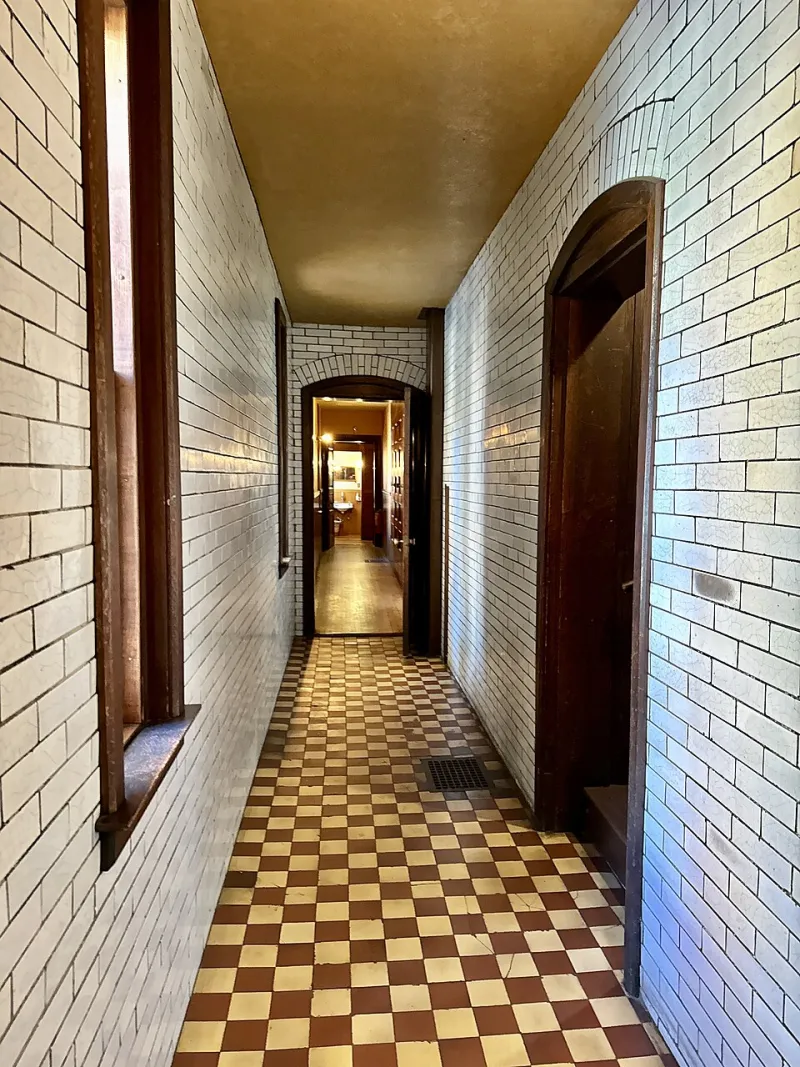
Photo: w_lemay, CC BY-SA 2.0, via Wikimedia Commons
November in the UK has a way of testing a hallway. Wet pavements, leaf mulch, grit from the street and a dog that refuses to wipe its paws all arrive at once. A pretty runner that looked lovely in the shop can turn into a soggy, skewed mess by Bonfire Night. The good news is that the right hallway runner can handle British autumn weather, provided you match the material to the job and get the size right. This is a practical, renter-friendly look at what actually survives.
Start with the shape of your hallway, not the pattern
Victorian terraces are famous for long, narrow corridors and front doors that open straight into the living space. Before you buy, measure the clear floor width and the door swing. As a rule, leave 10–15cm of floor visible on each side of the runner if you can. In a tight 90cm hallway, a 60cm-wide runner is usually the sweet spot; a 70cm runner can work if the space is closer to a metre wide. A runner that touches both skirting boards will ruffle and curl.
Length matters too. Stop the runner 30–45cm short of the front door so there is room for a doormat and for the door to clear the pile. In a long corridor, one generous runner looks calmer than three small mats. If you rent and cannot drill or glue, choose a low-profile runner with a separate anti-slip pad rather than adhesive tape.
The material match: wool, jute, washable synthetics and rubber
Wool is the classic hallway choice for good reason. A tight, flatweave wool runner is naturally dirt-repellent, warm underfoot and hard-wearing. It copes with pet paws and daily traffic, and it looks smart in period homes. The catch is moisture: wet wool needs to dry properly, so avoid deep shag piles by the door and blot spills quickly. A mid-dark colour with a subtle pattern hides November grime better than cream.
Jute is affordable and has a lovely natural texture, but it is not the best friend of a wet front door. Jute soaks up water, can stain and may develop a musty smell if it stays damp. Use it further inside the hallway, or in a porch that stays dry, rather than as the first thing wet boots meet.
Washable synthetic runners, usually polypropylene or polyester, are the practical pick for renters and busy households. They are light, easy to vacuum and often machine-washable at 30°C. They will not feel as luxurious as wool, but a low-pile synthetic with a rubber or grip backing can be thrown in the machine after a muddy weekend. Check the care label and measure your washing machine drum before buying an extra-long runner.
Rubber-backed mats are excellent at the door itself. They grip the floor, trap grit and stop water reaching the boards. They are less breathable, so avoid leaving them on untreated wood for months at a time. A rubber-backed mat inside the door, followed by a wool or synthetic runner, is a sensible two-step system.
Grip and edges: the quiet safety test
A hallway runner that slides is worse than no runner at all. Look for a rubber backing or buy a proper anti-slip rug pad. For rentals, a felt-and-rubber gripper is usually enough and leaves no residue. Avoid loose fringes near the door; they collect leaves and become a trip hazard. Low, bound edges are safer for pet paws and older feet. If the runner curls at the corners, a few days under a heavy book can help, but if it persists, send it back.
Size advice for long corridors and awkward front doors
Long Victorian corridors often suit a 60 x 180cm or 70 x 240cm runner. A 60 x 240cm runner works well in a narrow passage, while an 80 x 300cm runner can look generous in a wider hall. For awkward front doors, measure the gap under the door. A pile depth of 6–8mm is usually safe; anything deeper may catch. If the door drags, use a flatweave runner or a small 50 x 80cm mat instead. For a long corridor, avoid joining two runners with a visible gap unless you are deliberately creating a landing zone.
The autumn cleaning routine
Shake the runner outside once a week if you can. Vacuum with the beater bar off for wool and jute, and on for synthetic. Blot spills, do not rub. For wool, use a damp cloth and a wool-safe cleaner, then dry flat away from radiators. For washable synthetics, follow the label and air-dry. Jute should be spot-cleaned and kept dry. Rotate the runner every few months so the traffic lane does not wear in one strip.
The renter-friendly shortlist
For a rented flat with a narrow hall, a 60 x 180cm washable polypropylene runner with a gripper pad is the low-risk choice. For a Victorian terrace with a draughty front door, a rubber-backed doormat plus a flatweave wool runner gives warmth and grip. For a pet-heavy home, choose a dark, patterned synthetic that can go in the machine. Whatever you pick, buy the size that fits the walkway rather than the size that looks good online. A hallway runner should feel like a warm welcome, not an obstacle course.