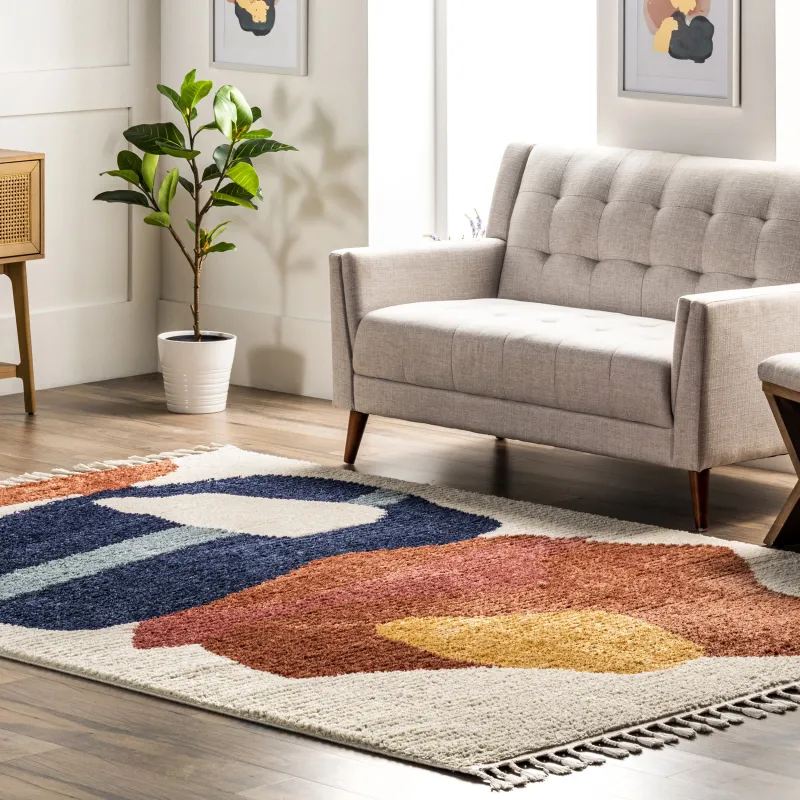
The £15 Rug With Better Bones Than My New One
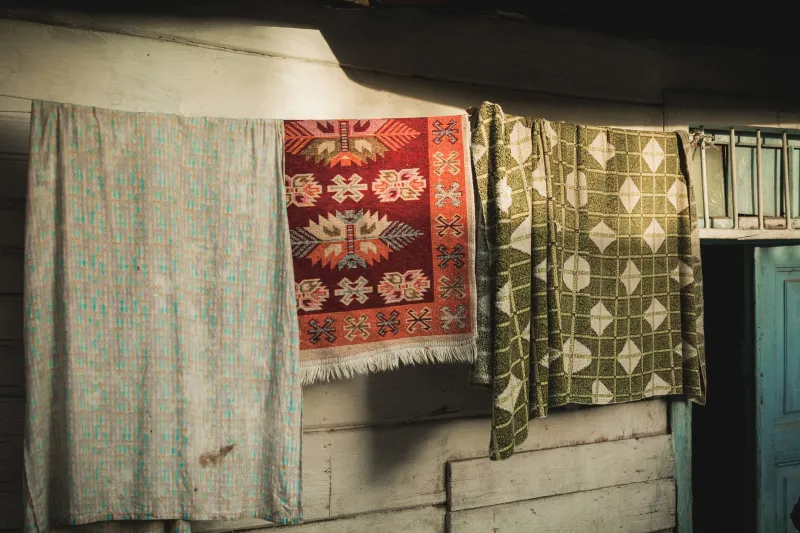
Charity shops are where good rugs go to be misunderstood. On a Tuesday afternoon, wedged between a lamp base and a stack of jigsaws, you can find a wool runner that has spent twenty years in a hallway and still has more life in it than a flat-pack synthetic number from a retail park. The trick is knowing which one you are looking at.
I am not suggesting you furnish a whole house from the local hospice shop rail — though no judgement if you do. I am suggesting that a second-hand rug, chosen carefully, is one of the warmest and most characterful buys in a UK home. It also keeps a decent chunk of textile out of landfill. You just need to inspect it like you mean it.
Why pre-loved rugs are worth the rummage
Second-hand rugs are not automatically a compromise. New rugs are often made to look old; old rugs are often made better. Wool wears gradually and holds warmth underfoot. A bit of fading or a worn patch is not a defect if the backing is sound and the price reflects it. The catch is that charity shops are not rug specialists. They price quickly and store rugs folded. You are the quality control.
Car boot sales are even less fussy. Online marketplaces are a mixed bag: great for photos, terrible for smells. Wherever you buy, treat the rug like a house viewing. Look underneath, ask awkward questions, and do not let a nice pattern distract you from a crumbling back.
The five-minute inspection that saves a lot of regret
First, flip it over. The backing tells the truth. If the latex looks like dry cake and crumbles when you rub it, walk away. Curled corners can sometimes be flattened, but only if the backing is still flexible. If the rug has been folded so long that it cracks along the crease, that is a warning sign.
Next, hold it up to the window. Wool loses pile in traffic lanes, which is fine if the rug is going under a sofa. Foundation showing in a big patch is not fine. Check the edges too: missing fringe can be repaired, but a fraying edge that is running into the main field is more serious.
Then look for moths. Tiny tubes, sandy dust and clusters of little holes are the classic signs. Moths like folds and dark edges, so check those carefully. Give it a shake outside. If a puff of dust comes out, that is not necessarily a dealbreaker, but it means a proper clean is part of the price.
And sniff it. Damp, smoke, dog and stale perfume are all distinct. Some odours lift with airing; damp rarely does. If it smells like a cellar after a week outside, it will smell like a cellar in your living room.
Cleaning wool without felting it
Wool is tough but dramatic. Hot water and agitation make it felt, and a felted rug is a sad thing to own. For a small wool rug, vacuum both sides gently — no beater bar — and spot clean with a pH-neutral wool detergent and cool water. Blot, do not scrub. Dry it flat, away from radiators, and lift it occasionally so air can get underneath.
Do not soak a large wool rug unless you can dry it flat and fast. A soggy wool rug is heavy, slow to dry and prone to smelling. If the rug is valuable or very dirty, pay a specialist. A £40 clean on a £20 rug is false economy. On a £200 rug, it is a sensible investment.
Synthetics are easier, but not indestructible
Polypropylene and polyester are more forgiving than wool. Still check the label and test any cleaning method in a corner. Most can be spot cleaned with mild soapy water, but avoid hot water and harsh bleach. Machine washing only if the care label says so and the rug fits — otherwise hand wash, rinse well and dry flat. Synthetic fibres can hold cigarette smoke and pet odour, and sometimes airing is not enough.
When a bargain is really a false economy
The real cost is purchase price plus cleaning plus underlay plus your time. If the rug needs professional moth treatment, re-fringing or backing repair, it is often not worth it unless it is genuinely special. A worn rug that sheds everywhere will cost you in hoover bags and patience. A rug that still smells damp after a week outside is not a bargain; it is a problem you have invited into your home.
Living with its history
Imperfect rugs are very good at hiding imperfect floors. A faded patterned rug under a coffee table makes a rental lounge feel less like a box. A slightly worn runner in a hallway welcomes boots and paws without pretending to be a show home. Use a good underlay — it makes a cheap rug feel thicker, stops it slipping and protects the backing. Rotate the rug every few months so wear is even, keep it out of direct sun where you can, and blot spills quickly.
A second-hand rug will never be flawless, and that is part of the point. It brings warmth, texture and a bit of history to a room. Just make sure the history is charming, not damp.